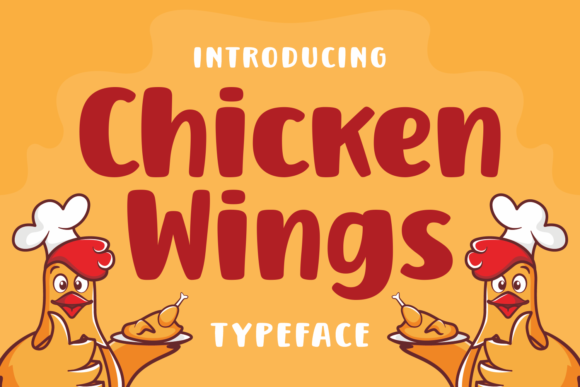
Chicken Wings: A Versatile Font for Creative and Professional Use
Chicken Wings is a unique and eye-catching font that has gained popularity among designers, crafters, and content creators. Known for its bold, thick lettering and playful aesthetic, this font stands out in both digital and print media. Its distinct style makes it ideal for a wide range of applications, from greeting cards and invitations to branding materials and social media graphics.
What Makes Chicken Wings Unique?
At first glance, Chicken Wings appears to be a whimsical font with a touch of humor, but its design is intentionally crafted to be both readable and visually striking. The thick, rounded strokes give the letters a sense of weight and presence, while the overall structure maintains clarity. This balance between fun and functionality is what sets it apart from many other decorative fonts.
The font’s name is not just a playful label—it reflects the texture and boldness of the characters. Each letter feels like it could be carved from a chicken wing, giving it a tactile quality that adds to its charm. This visual metaphor helps users quickly recognize the font’s personality, making it a go-to choice for projects that require a bit of character without sacrificing legibility.
When Is Chicken Wings the Right Choice?
Chicken Wings shines in situations where a strong visual impact is needed. It works exceptionally well for:
- Greeting Cards and Invitations: Its bold style can make event announcements stand out, especially for themed parties or casual gatherings.
- Social Media Graphics: The font's thickness ensures it remains visible even when scaled down, making it perfect for Instagram posts, Twitter headers, and Facebook banners.
- Branding and Logos: While it may not be the most traditional choice for corporate logos, it can work well for businesses with a playful or quirky brand identity.
- Printed Materials: When used in moderation, it can add a distinctive flair to flyers, posters, and promotional brochures.
However, it’s important to consider the context in which you’ll be using the font. For formal documents, reports, or academic papers, Chicken Wings may not be the best fit due to its informal nature. In such cases, more traditional sans-serif or serif fonts are typically preferred for readability and professionalism.
Comparing Chicken Wings to Similar Fonts
While Chicken Wings has its own distinct identity, it shares some characteristics with other popular display fonts. Here’s how it compares to similar options:
Comparison with Other Display Fonts
Fonts like Bauhaus 93, Impact, and Comic Sans MS also have a bold, stylized look. However, each has its own strengths and limitations:
- Bauhaus 93: This geometric font offers a modern, angular appearance that is more structured than Chicken Wings. It is often used in tech and design industries but lacks the playful feel of Chicken Wings.
- Impact: Another bold display font, Impact is known for its heavy weight and high contrast. While it shares some visual similarities with Chicken Wings, it tends to be less forgiving in terms of readability at smaller sizes.
- Comic Sans MS: This font is widely recognized for its cartoonish appearance, making it a common choice for children’s materials or informal communication. However, it is often criticized for being too casual and lacking in professionalism.
Chicken Wings occupies a middle ground—offering a fun and engaging look without compromising on readability. It is more versatile than some of its counterparts and can be used in a wider range of contexts.
Strengths and Limitations of Chicken Wings
Like any font, Chicken Wings has its advantages and drawbacks. Understanding these can help you decide whether it’s the right choice for your project.
Strengths
- High Visibility: The thick strokes and bold design make it easy to read, even at small sizes.
- Playful Aesthetic: Its whimsical look adds personality to designs, making them more engaging and memorable.
- Adaptable: It works well across various mediums, including digital and print, and can be used in both professional and personal projects.
- Distinctive: The font’s unique style helps content stand out in a crowded digital landscape.
Limitations
- Limited Readability in Small Sizes: While it performs well at larger sizes, the thick strokes can make it difficult to read in smaller text, especially on screens.
- Not Suitable for Formal Contexts: Its informal appearance may not align with the tone of certain professional or academic settings.
- Design Constraints: Due to its bold and stylized nature, it may not be the best option for long-form text or detailed content.
Best Practices for Using Chicken Wings
To get the most out of Chicken Wings, it’s essential to use it strategically. Here are some tips to help you incorporate it effectively into your designs:
- Use It Sparingly: Apply the font to headlines, titles, or key phrases rather than entire paragraphs to maintain readability and visual balance.
- Pair with Complementary Fonts: Combine Chicken Wings with a clean, readable font for body text to ensure your message is clear and professional.
- Test Across Devices: Always preview your design on different screens and resolutions to ensure the font looks good in all contexts.
- Consider the Audience: Choose the font based on the target audience and the purpose of the design. A playful font like Chicken Wings may not be appropriate for all demographics or industries.
By following these best practices, you can maximize the benefits of Chicken Wings while avoiding potential pitfalls.
Making an Informed Decision
Choosing the right font depends on several factors, including the purpose of the design, the target audience, and the overall aesthetic you want to achieve. Chicken Wings is an excellent choice for projects that benefit from a bold, fun, and attention-grabbing style. However, it may not be the best fit for every situation.
If you’re looking for a font that adds character without sacrificing readability, Chicken Wings is worth considering. But if you need something more professional or versatile for long-form content, you might explore other options like Helvetica, Georgia, or Verdana.
Ultimately, the decision should be based on your specific needs and goals. By understanding the strengths and limitations of Chicken Wings, you can make a more informed choice that aligns with your creative vision and practical requirements.