Happy Winter Font: A Simple and Cute Display Font for Creative Projects
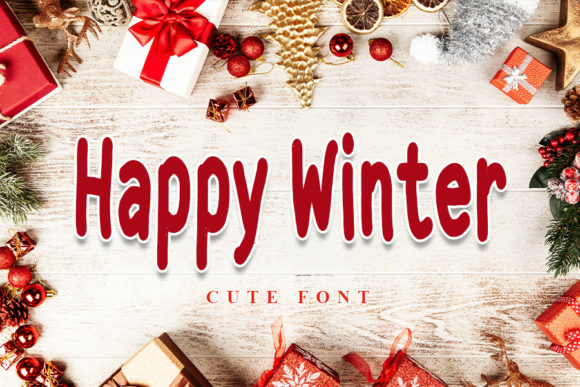
The Happy Winter font is a delightful and eye-catching display typeface that brings warmth and charm to any design. With its thick, bold letters and playful quirks, it's perfect for adding personality to your creative projects. Whether you're designing social media posts, posters, or wall art, Happy Winter can elevate your visuals with a touch of festive cheer.
What Makes Happy Winter Unique?
Happy Winter stands out due to its simple yet expressive design. The font features rounded edges and exaggerated letterforms that give it a friendly and approachable look. Its thick strokes add visual weight, making it stand out in both digital and print formats. The quirky style of Happy Winter makes it ideal for creating a sense of fun and whimsy in any project.
One of the key characteristics of Happy Winter is its versatility. It works well in various sizes and spacing, which means it can be used effectively in both large headings and smaller text elements. This adaptability makes it a great choice for designers looking for a font that can handle multiple applications without losing its charm.
When to Use Happy Winter
Happy Winter is particularly well-suited for seasonal and holiday-themed designs. It’s a fantastic option for winter-related content such as Christmas cards, New Year’s greetings, and festive social media graphics. However, its cute and simple style also makes it suitable for everyday use in branding, presentations, and even personal projects.
- Social Media Posts: Add a playful touch to Instagram, Facebook, or Twitter updates with Happy Winter.
- Posters and Flyers: Use it to create eye-catching event announcements or promotional materials.
- Wall Art: Incorporate Happy Winter into decorative signs or murals for a cozy, inviting feel.
- Presentations: Enhance your slides with bold, attention-grabbing headlines.
Its simplicity also makes Happy Winter a great choice for beginners or those who are new to typography. It doesn’t require complex styling or adjustments, which means it can be used effectively even by those with limited design experience.
Who Benefits from Using Happy Winter?
Happy Winter is a great asset for a wide range of users, including:
- General Consumers: Looking for a fun and easy-to-use font for personal projects or online profiles.
- Professionals: Seeking a versatile font for branding, marketing, or client presentations.
- Creatives: Designers, illustrators, and artists who want to add character to their work.
- Business Owners: Wanting to create engaging content for their brand’s social media or website.
- Online Users: Anyone who needs a stylish and readable font for digital content creation.
No matter your background or skill level, Happy Winter offers a user-friendly and visually appealing solution for your design needs.
Strengths of Happy Winter
The strengths of Happy Winter lie in its simplicity, readability, and visual appeal. Here are some key benefits:
- Easy to Read: Despite its playful design, Happy Winter remains legible at most sizes, making it suitable for both digital and print use.
- Adaptable: It works well in different contexts, from casual use to more formal settings when styled appropriately.
- Visually Appealing: The unique shape of each letter adds character and personality to any design.
- User-Friendly: Its straightforward design means it doesn’t require advanced knowledge to use effectively.
Considerations and Limitations
While Happy Winter has many advantages, there are a few considerations to keep in mind:
Firstly, Happy Winter may not be the best choice for long-form text or professional documents where a more traditional and serious font might be more appropriate. Its playful nature can sometimes make it feel less formal, so it’s important to consider the context in which you’re using it.
Secondly, because of its bold and thick strokes, Happy Winter may not render well on certain devices or platforms if not properly optimized. It’s always a good idea to test how the font looks across different screens and resolutions before finalizing your design.
Lastly, while Happy Winter is great for headings and short phrases, it may not be the most practical choice for body text due to its lack of fine detail and spacing. For longer paragraphs or sections of text, a more traditional serif or sans-serif font might be better suited.
Real-World Applications
To better understand how Happy Winter can be applied in real-world scenarios, let’s explore a few examples:
Example 1: Social Media Content
A small business owner could use Happy Winter to create engaging captions for holiday promotions. By pairing it with complementary images, they can create a cohesive and festive aesthetic that resonates with their audience.
Example 2: Event Invitations
An event planner might use Happy Winter to design invitations for a winter-themed party. The font’s cheerful style would align perfectly with the theme, making the invitation both attractive and informative.
Example 3: Personal Projects
A hobbyist could incorporate Happy Winter into a handmade greeting card or a DIY decoration. Its simplicity and charm make it an excellent choice for personal and creative endeavors.
Evaluating Suitability for Your Needs
Before choosing Happy Winter, it’s important to evaluate whether it aligns with your specific project requirements. Consider the following questions:
- Is the font appropriate for the intended audience and message?
- Will it enhance the overall design without overshadowing other elements?
- Does it maintain readability in the context of your design?
- Can it be used effectively across different platforms and devices?
If you answer yes to these questions, then Happy Winter is likely a great fit for your project. If not, there are plenty of other fonts available that may better suit your needs.
In conclusion, Happy Winter is a wonderful font that brings joy and personality to any design. Whether you're a beginner or a seasoned designer, its simple yet charming style makes it a valuable addition to your typographic toolkit. By understanding its strengths, limitations, and potential applications, you can make informed decisions about when and how to use it effectively.