Melon: A Bold and Charismatic Font for Modern Design
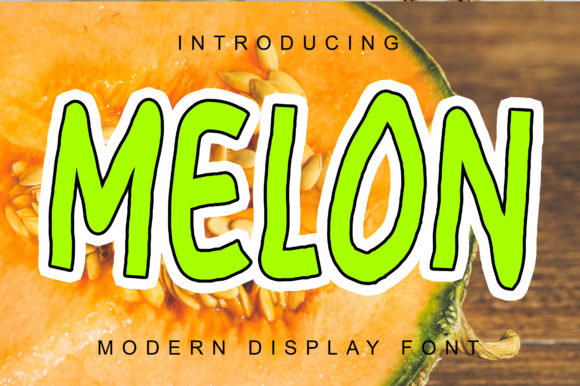
Melon is more than just a font—it's a statement. With its rigid lines and confident presence, Melon brings a unique blend of strength and charm to any design project. Whether you're crafting a brand identity, designing t-shirts, or creating content for your website, this font can elevate your visuals in unexpected ways.
Why Melon Stands Out
What makes Melon so appealing is its balance of simplicity and character. Unlike many fonts that rely on intricate details or excessive ornamentation, Melon delivers impact through clean, bold strokes. Its structured form gives it a modern feel while maintaining readability at a glance. This makes it ideal for both digital and print media, especially when you want to convey confidence and clarity without sacrificing style.
For designers and entrepreneurs looking to build a strong visual identity, Melon offers a versatile option. It works well with minimalistic layouts, retro-inspired designs, and even high-contrast color schemes. Its rigidity also means it doesn’t easily distort when scaled, which is a major plus for branding and marketing materials.
Common Mistakes When Using Melon
While Melon is a powerful tool, there are common pitfalls that users often overlook. Understanding these can help you make better decisions and avoid potential issues.
- Ignoring Readability: Melon’s boldness can sometimes overshadow the message. If used in small text or low contrast, it may become hard to read. Always test your design across different sizes and backgrounds.
- Overusing the Font: Applying Melon to every element of your design can dilute its impact. Save it for headlines, logos, or key messages where it can shine.
- Not Checking Licensing: Many fonts, including Melon, come with specific usage rights. Failing to understand these can lead to legal complications, especially if you plan to use it commercially or in public-facing projects.
- Disregarding Compatibility: Not all platforms or software support every font. Before finalizing your design, ensure that Melon will display correctly across your intended mediums—whether it’s a website, social media post, or printed material.
How These Mistakes Can Affect Your Work
Using Melon incorrectly can have real consequences. Poor readability can confuse your audience and reduce engagement. Overuse may make your brand appear inconsistent or unprofessional. Legal issues from improper licensing can damage your reputation and cost you money. And compatibility problems can lead to wasted time and resources when your design fails to render as intended.
These issues highlight the importance of thoughtful application. By being intentional with how and where you use Melon, you can maximize its benefits while minimizing risks.
Practical Tips for Using Melon Effectively
If you’re considering adding Melon to your design toolkit, here are some practical steps to help you do it right.
- Start Small: Test Melon in a few key areas first, like your logo or website header. This allows you to see how it performs before committing to a full design overhaul.
- Pair Thoughtfully: Combine Melon with complementary fonts for body text. For example, pair it with a clean sans-serif like Arial or Helvetica for a balanced look.
- Check Licensing Agreements: Make sure you understand the terms of use for Melon. Some fonts are free for personal use but require purchase for commercial projects. Always read the fine print.
- Use Online Tools: There are several online tools and font converters that let you preview how Melon looks in different contexts. Use them to ensure it meets your design goals.
- Seek Feedback: Ask others to review your design. Fresh eyes can catch issues you might have missed, such as poor contrast or readability problems.
Realistic Examples of Melon in Action
Consider a local boutique that uses Melon for their store signage. The bold font catches attention from a distance, making the shop stand out in a crowded area. However, they pair it with a simple sans-serif font for product descriptions, ensuring the information remains clear and easy to read.
Another example is a blog that uses Melon for its title and subheadings. The font adds a touch of personality while keeping the overall design professional. They avoid using it in body text, where a more readable font is essential for long-form content.
What to Check Before Finalizing Your Decision
Before you decide to use Melon, take a moment to consider the following:
- Is Melon appropriate for your target audience? Does it align with your brand’s voice and values?
- Will it be used in print or digital formats? How does it perform in different environments?
- Do you have the necessary licenses for commercial use?
- Are there alternative fonts that could achieve similar results with fewer limitations?
- Have you tested it in various contexts to ensure consistency and clarity?
By asking these questions, you’ll be better equipped to make an informed choice that supports your goals without compromising quality or compliance.
Conclusion
Melon is a compelling font that can enhance your design projects with its bold and charismatic style. However, its effectiveness depends on how you choose to use it. By avoiding common mistakes and taking a thoughtful approach, you can harness its power while ensuring your work remains professional, readable, and legally sound.