Woodlove: A Nature-Inspired Font for Creative Projects
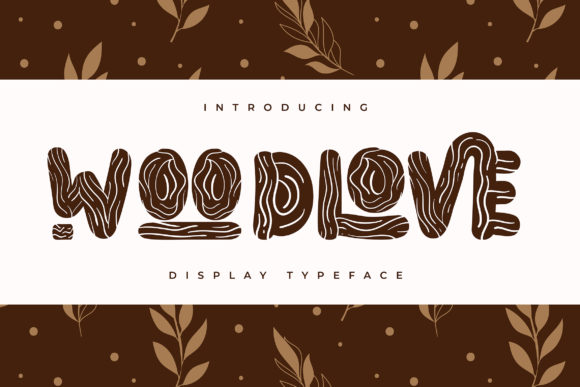
When it comes to design, the right font can make all the difference. Woodlove is a unique display font that brings a touch of nature into every character. Each glyph is adorned with lines that mimic the texture of tree bark, giving it a realistic and organic feel. This font isn’t just visually appealing—it’s also highly functional for a wide range of creative projects.
The Beauty of Natural Typography
Woodlove stands out because it blends aesthetics with practicality. The subtle detailing on each letterform creates a sense of warmth and authenticity, making it ideal for projects that aim to evoke a connection with nature. Whether you're designing invitations, posters, or wall art, this font adds a distinctive visual element that can elevate your work.
One of the key advantages of Woodlove is its ability to enhance the thematic consistency of nature-themed content. For instance, when creating a wedding invitation that features woodland imagery, using Woodlove can help unify the visual elements, making the overall design more cohesive and impactful.
Why Woodlove Matters for Designers and Creators
For professionals in creative fields, such as designers, marketers, and educators, Woodlove offers a versatile tool that supports both artistic expression and effective communication. Its realistic appearance makes it particularly useful for branding projects that emphasize sustainability or environmental themes.
Consider a small business owner launching a line of eco-friendly products. By incorporating Woodlove into their branding materials, they can create a visual identity that aligns with their values and resonates with their target audience. This not only strengthens brand messaging but also helps differentiate their offerings in a competitive market.
Enhancing Creativity Through Typography
Woodlove encourages creativity by providing a fresh perspective on typography. Its natural look invites designers to think beyond traditional fonts and explore new ways to communicate ideas. For example, a blogger focusing on outdoor adventures might use Woodlove in their blog headers to create a more immersive reading experience.
Moreover, the font’s decorative elements can be used to highlight important text or add visual interest to otherwise plain designs. This makes it a valuable asset for anyone looking to enhance the visual appeal of their work without compromising readability.
Practical Benefits of Using Woodlove
One of the most significant benefits of Woodlove is its PUA encoding, which allows users to access additional glyphs and swashes easily. This feature is especially useful for those who need to customize their designs or expand their typographic options. For instance, a graphic designer working on a series of nature-themed posters can take advantage of the extended character set to create more intricate and personalized visuals.
Additionally, the font’s versatility means it can be applied across various mediums. From digital content like social media posts and website headers to physical prints such as invitations and signage, Woodlove adapts well to different formats. This flexibility ensures that creators can maintain a consistent style across multiple platforms, reinforcing brand recognition and user engagement.
Who Can Benefit Most from Woodlove?
While Woodlove is suitable for a wide range of users, certain groups may find it particularly beneficial. Freelancers and small business owners, for example, can use it to create professional-looking materials that reflect their brand's personality. Educators might incorporate it into lesson plans or classroom resources to make learning more engaging for students.
Entrepreneurs launching nature-focused businesses can also benefit from Woodlove’s aesthetic. It can be used in marketing materials, product packaging, and promotional campaigns to convey a sense of authenticity and environmental consciousness. This alignment with core values can help build trust and loyalty among customers.
Real-World Use Cases for Woodlove
Let’s explore some real-world scenarios where Woodlove can make a meaningful impact:
- Wedding Invitations: A couple planning a rustic-themed wedding might choose Woodlove for their invitations to create a warm, inviting atmosphere.
- Wall Art: Artists can use Woodlove in large-scale designs to create visually striking pieces that blend seamlessly with natural surroundings.
- Marketing Materials: A company promoting sustainable living could utilize Woodlove in their brochures and websites to reinforce their eco-conscious message.
- Blog Headers: Content creators can enhance the visual appeal of their blogs by using Woodlove in headers and titles, making their content more engaging.
Each of these examples demonstrates how Woodlove can be tailored to fit specific needs while maintaining its unique charm and functionality.
Limitations and Considerations
While Woodlove offers many advantages, it’s important to consider its limitations. Because it is a display font, it may not be the best choice for long-form text or technical documents where readability is paramount. In such cases, it’s advisable to pair it with a more readable body font to ensure clarity and accessibility.
Additionally, users should be aware of the font’s licensing terms and ensure they are using it appropriately for their intended purposes. Always check the font’s documentation to understand any restrictions or requirements related to commercial use.
Conclusion
Woodlove is more than just a font—it’s a powerful tool that can enhance creativity, improve communication, and support a variety of design goals. Its realistic appearance and PUA encoding make it a valuable asset for professionals and hobbyists alike. Whether you’re crafting invitations, designing posters, or creating wall art, Woodlove has the potential to elevate your work and bring a touch of nature to your projects.